
Building an Internally Driven Safety Culture
A strong safety culture goes beyond compliance. Learn how leadership, employee participation, and proactive safety behaviors can help build a workplace where employees take ownership of protecting themselves and one another.

What Belongs on the Training Plan?
Effective training plans start with business needs, job requirements, and real capability gaps—not a course catalog. Learn a practical framework for deciding what training employees actually need.

When Training Becomes Noise
Training is not always the answer to a workplace performance problem. Learn how accumulating training requirements can compete for employee attention—and why better training strategy starts by diagnosing the problem first.

Measuring What Actually Matters
Training metrics should do more than confirm completion. Learn how meaningful scorecards connect participation, learning, transfer, and performance to show whether training actually changed workplace outcomes.

Why Most Training Metrics are Misleading
Many organizations rely on completion rates, attendance, and quiz scores to evaluate training success—but those metrics rarely measure real learning. Learn why meaningful training evaluation requires focusing on behavior change and performance outcomes.

Manager Buy-in Makes or Breaks Training
Training does not succeed or fail when the class ends. It succeeds or fails in the work environment that follows. Learn why manager support, reinforcement, and implementation matter more than the LMS or training content alone.

Psychological Safety and Learning
Psychological safety is essential for learning in technical workplaces. Learn how emotional safety, learning anxiety, and professional identity influence whether employees ask questions and grow.

Preventing Burnout From Training
Training can support performance — or quietly contribute to burnout. Learn how cognitive overload, mandatory modules, and poor design drain capacity and what prevents it.

Experience isn’t Automaticity
Experience improves performance — but it doesn’t make skills immune to stress. Learn why even experts fail under pressure and how training can better support real-world performance.
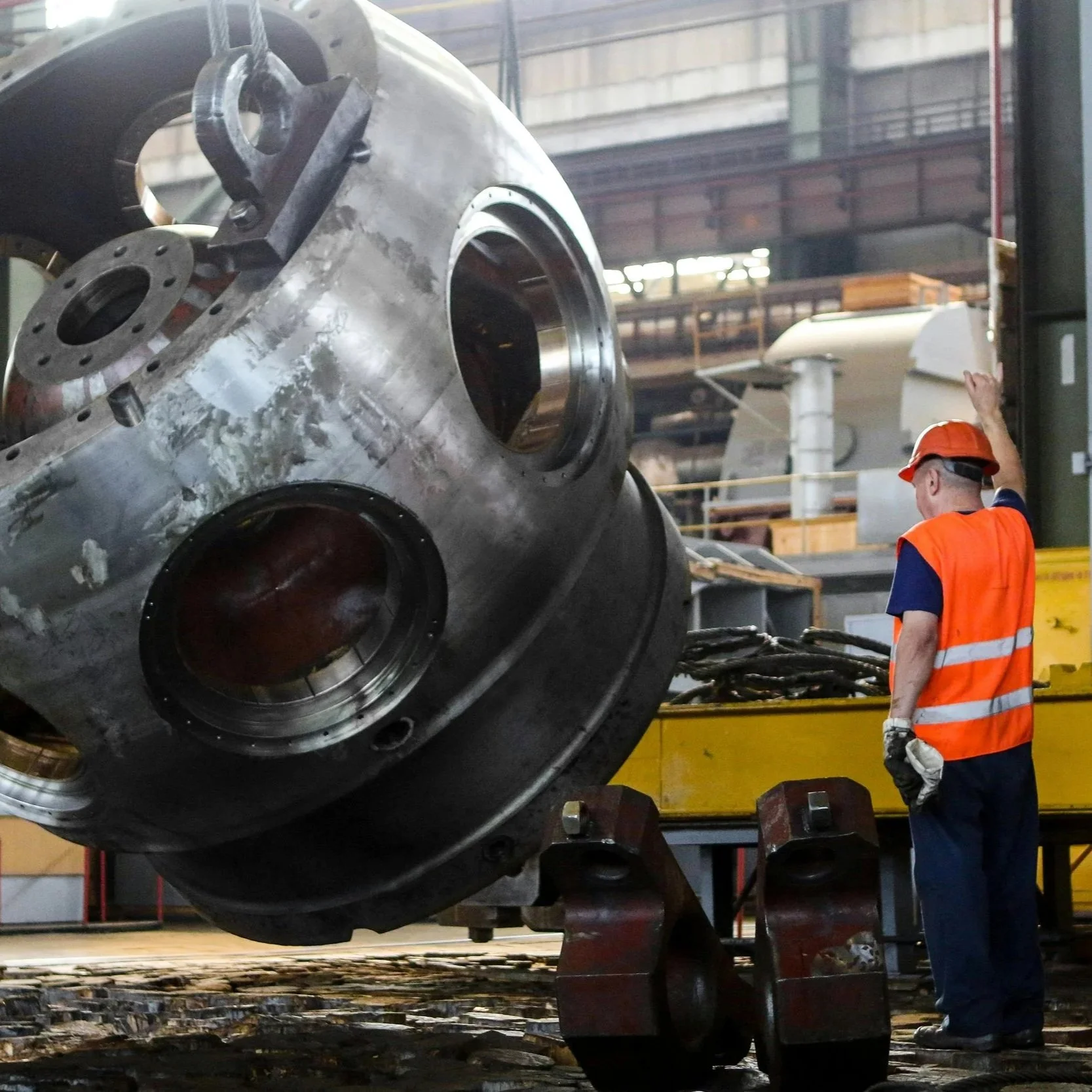
Decision-Making Under Pressure
Stress, time pressure, and noise change how the brain makes decisions. Learn why training must account for these cognitive shifts to improve safety and performance on the floor.

Your Brain on Habit
Why does training fail under pressure? Neuroscience shows that habits — not knowledge — drive behavior in real work environments. Learn how training must change automatic actions to truly improve performance.

“Just One More Slide”
Adding more content doesn’t improve training — it often undermines it. Learn how cognitive overload from “one more slide” weakens retention, attention, and real-world performance.
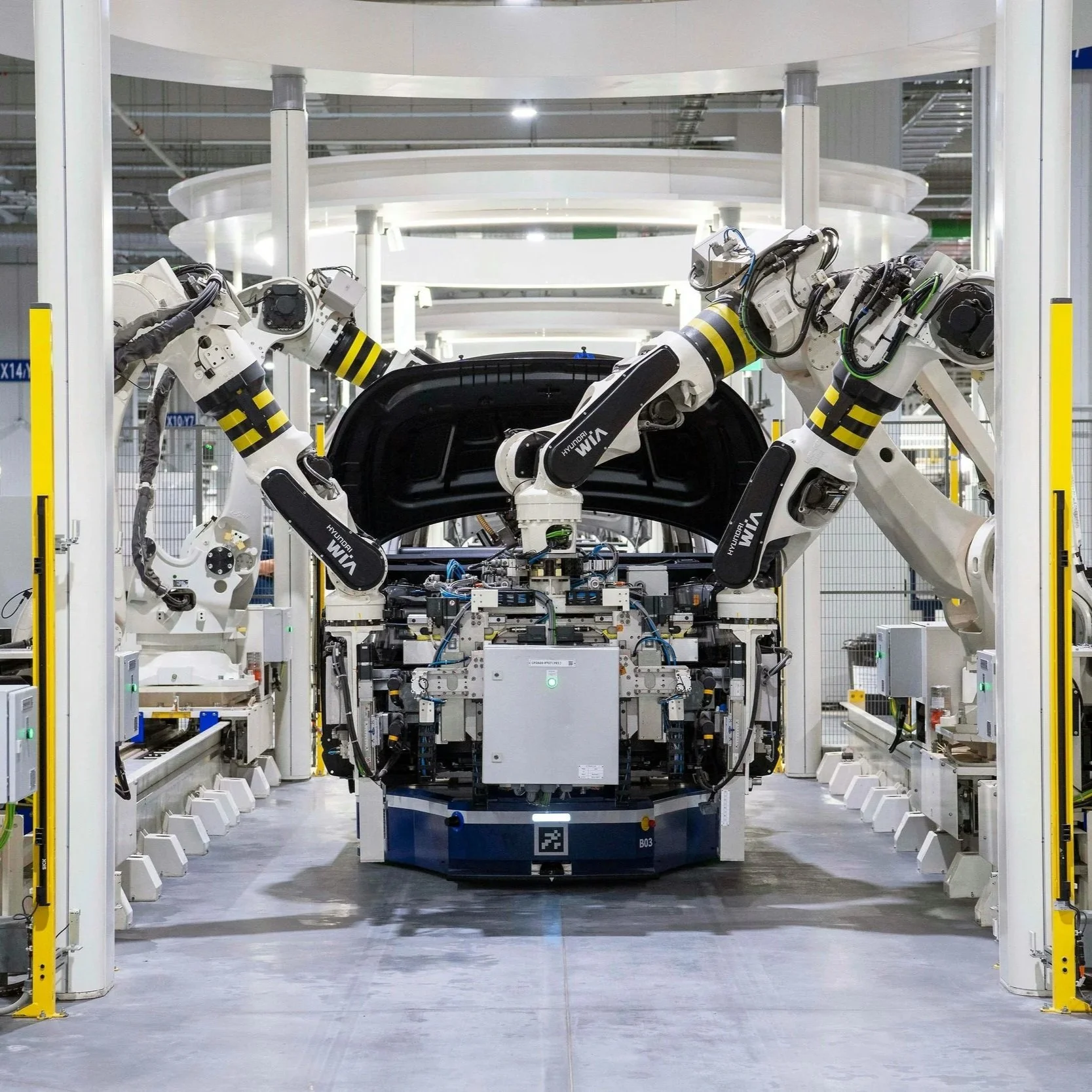
Training for Variability, Not Perfection
Real work rarely follows the procedure exactly. Learn why training for variability — not perfection — improves adaptability, safety, and real-world performance in industrial environments.

A Case for the Test Out
Not every worker needs the same training. Research shows that performance-based test outs respect experience, reduce cognitive load, and better predict real-world readiness than seat time alone.

80% Isn’t Good Enough
In industrial training, passing a quiz doesn’t guarantee performance. Learn why recognition-based assessments create false confidence — and what research shows actually prepares workers for real-world conditions.

Why Training Competes with Reality
Training often fails not because learners don’t care, but because attention and working memory are limited. Explore recent research showing how cognitive constraints shape learning and skill transfer in real-world work environments.

Working Memory
Working memory is the hidden constraint behind many training failures. Learn how recent research explains its limits — and why respecting them is essential for learning that transfers to real-world performance.

Cognitive Load and Learning Fatigue
Why do manufacturing professionals struggle to absorb training? Explore 2024–2025 research on cognitive load, learning fatigue, and how microlearning helps reduce mental strain to improve retention and performance.

Building Metacognition into Training
What if the most powerful training tool isn’t a platform or a headset — but self-awareness? Explore new 2024–2025 research showing how metacognitive strategies help learners think about their thinking, improve retention, and transfer skills more effectively.

Feedback & Coaching The Actually Motivate Behavior
Feedback alone doesn’t change behavior — coaching does. Explore 2024–2025 research on how timing, specificity, and psychological safety transform feedback into real learning and performance improvement.